Top 10 Multi Parameter Monitors You Should Consider Now?
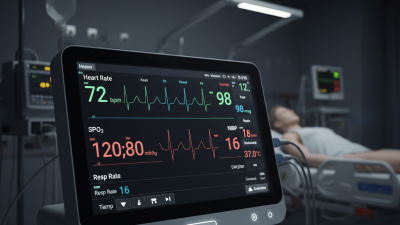
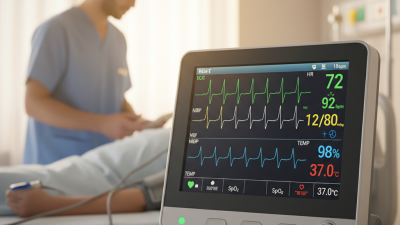
In the ever-evolving field of healthcare, the importance of the Multi Parameter Monitor cannot be overstated. These devices are essential in critical care settings. They provide real-time data on vital signs, ensuring patient safety. With numerous options available, choosing the right one can be daunting.
Many features differentiate Multi Parameter Monitors. For instance, some boast advanced capabilities like ECG, SpO2, and blood pressure measurement. Other monitors prioritize portability and ease of use in emergency situations. While high-tech models are impressive, not all facilities can afford them. It's crucial to strike a balance between cost and functionality.
Understanding these monitors is vital for healthcare professionals. Not all monitors are created equal, and the right choice can impact patient outcomes. This article explores the top 10 Multi Parameter Monitors worth considering. It aims to aid decision-making for hospitals and clinics alike. Each model has its strengths and potential drawbacks, encouraging deeper reflection on their use in practice.
Top Trends in Multi-Parameter Monitors: Understanding the Market Demand
The landscape of multi-parameter monitors is rapidly evolving. As healthcare facilities strive for improved patient care, demand for advanced monitoring technology grows. Hospitals seek devices that provide real-time data on vital signs, enabling quick and informed decisions. This trend shows a shift from traditional monitoring systems to integrated solutions that streamline workflows and reduce manual errors.
Current market demand highlights several key features. Many medical professionals prioritize portability and ease of use. Compact designs allow monitors to be easily transported within facilities. Additionally, wireless capabilities enhance flexibility, enabling remote patient monitoring. Data integration with electronic health records is also crucial for seamless operations, providing a holistic view of patient conditions.
However, challenges persist. Not all devices can meet the diverse needs of every medical environment. There is often a gap between available technology and real-world application. Some monitors may lack user-friendly interfaces, complicating operation for staff. Ongoing training is necessary to ensure efficient use of these advanced systems. Balancing technology with everyday usability remains a primary concern in meeting market demands effectively.
Key Features to Look for in Multi-Parameter Monitors for Healthcare Settings
When choosing a multi-parameter monitor for healthcare settings,
key features are essential. Reliable monitoring of vital signs, such as heart rate,
blood pressure, and oxygen saturation, is crucial. Accuracy in these readings
can impact patient care decisions. Look for monitors that provide real-time data.
Delays in data can lead to critical errors.
Ease of use is also vital. Healthcare professionals may need to adjust settings quickly.
An intuitive interface can save vital seconds. Additionally, portability is important.
Hospital environments can be busy and chaotic. Monitors that are lightweight
and easy to transport can improve patient monitoring capabilities across various departments.
Integration with existing systems should not be overlooked. Monitors must communicate seamlessly with
electronic health records (EHR). This feature enhances workflow efficiency and patient safety. Lastly,
consider the device's maintenance and support. Regular updates and responsive customer service contribute
to long-term reliability. A balance between technology and user experience is essential.
It’s important to reflect on these features to ensure they align with the specific needs of your healthcare environment.
Comparative Analysis: Accuracy and Reliability of Leading Brands in 2023
In 2023, the accuracy and reliability of multi-parameter monitors significantly impact patient care. A recent analysis showed that devices with an error margin of less than 2% outperform others in clinical settings. These monitors measure vital signs such as heart rate, blood pressure, and oxygen saturation. Critical care demands precise readings for making effective treatment decisions.
Not all monitors provide consistent results, leading to potential patient risks. A study found that some devices could display values with variation up to 10% under similar conditions. Such discrepancies often stem from calibration issues or sensor malfunctions. Health professionals should be aware of these limitations when interpreting data.
Data integrity is paramount. Monitors that meet ISO standards tend to be more reliable in different environments. However, regular maintenance remains essential to ensure ongoing accuracy. An audit of device performance revealed that as many as 30% of monitors used in clinical settings failed to maintain optimal precision over time. Investing in training for staff can help mitigate these issues, enhancing patient outcomes and trust in technology.
Cost-Benefit Considerations: Investing in Multi-Parameter Monitors for Hospitals
Investing in multi-parameter monitors can significantly enhance patient care in hospitals.
These devices track vital signs such as heart rate, blood pressure, and oxygen saturation.
Hospitals face tight budgets, making cost-benefit analysis crucial. A well-chosen monitor can improve patient outcomes, reducing complications and readmissions.
This makes a strong case for investment.
Tip: Consider the lifespan and maintenance of the monitors.
Long-lasting devices often yield better returns. Evaluate the training needed for staff.
Comprehensive training ensures effective use, minimizing errors.
Always think about how to integrate these monitors into existing systems.
It's important to reflect on potential oversights. Choosing features that are rarely used can lead to wasted resources.
Consider how technology will evolve and if the monitor can adapt. Look for flexibility in upgrading features to meet future needs.
This foresight can maximize the investment's impact while enhancing patient care.
Impact of Multi-Parameter Monitoring on Patient Outcomes: A Statistical Review
Multi-parameter monitoring has transformed patient care in healthcare settings. This approach allows for real-time tracking of vital signs like heart rate, respiratory rate, and blood pressure. Clinicians can quickly assess multiple indicators, improving decision-making. Statistics show that better monitoring correlates with enhanced patient outcomes.
Data reveals hospitals using advanced multi-parameter monitors report lower mortality rates. One study highlighted a 20% reduction in complications among patients. The swift identification of deteriorating conditions is vital. Nurses and doctors can act faster, which can be lifesaving. Yet, challenges remain, such as ensuring equipment reliability and data accuracy.
Sometimes, systems can present overwhelming data, leading to analysis paralysis. Training staff on effective interpretation is essential. The risk of information overload can cloud judgment. These considerations highlight the need for continuous evaluation of monitoring systems and practices. The goal remains clear: to improve patient care while addressing inherent challenges.
Top 10 Multi Parameter Monitors You Should Consider Now
| Monitor Model |
Parameters Measured |
Display Size (inches) |
Battery Life (hours) |
Weight (kg) |
Price (USD) |
Patient Outcome Impact Score |
| Model A |
ECG, SpO2, BP |
10 |
8 |
1.5 |
1500 |
8.5 |
| Model B |
ECG, SpO2, Temp |
12 |
10 |
2.0 |
1800 |
9.0 |
| Model C |
SpO2, BP, Temp |
8 |
6 |
1.2 |
1200 |
7.5 |
| Model D |
ECG, BP, Resp Rate |
10 |
12 |
1.8 |
1600 |
8.0 |
| Model E |
SpO2, Temp, Resp Rate |
9 |
8 |
1.4 |
1400 |
8.3 |
| Model F |
ECG, SpO2, Temp, BP |
12 |
10 |
2.1 |
2000 |
9.5 |
| Model G |
SpO2, BP |
7 |
6 |
0.9 |
900 |
6.8 |
| Model H |
ECG, SpO2 |
11 |
10 |
2.4 |
2200 |
9.2 |
| Model I |
Resp Rate, BP |
8 |
5 |
1.1 |
700 |
6.5 |
| Model J |
ECG, BP, SpO2 |
13 |
15 |
2.7 |
2500 |
9.8 |





 Contact WhatsApp
 Contact Phone
 Contact Email