Top Water pH Sensors for Accurate Measurement Solutions?
Accurate measurement of water pH is crucial in various industries, including agriculture, aquaculture, and wastewater treatment. According to a report by MarketsandMarkets, the global pH sensor market is projected to reach $1.6 billion by 2026, highlighting the growing demand for reliable Water pH Sensors. These sensors help monitor water quality, ensuring the health of aquatic ecosystems and compliance with environmental regulations.
Water pH Sensors are vital tools in maintaining optimal conditions for fish and plants. For instance, pH levels directly affect nutrient availability and microbial activity in water. The United States Environmental Protection Agency (EPA) emphasizes that pH levels outside the range of 6.5 to 8.5 can harm aquatic life. This data underscores the importance of choosing high-quality sensors for accurate measurements.
Despite advancements, challenges remain. Some sensors can drift over time, resulting in inaccurate readings. Regular calibration is essential but can be overlooked in busy environments. Thus, selecting robust and reliable Water pH Sensors is imperative for achieving consistent results and promoting sustainable practices in water management.
Overview of Water pH Sensors and Their Importance in Measurement
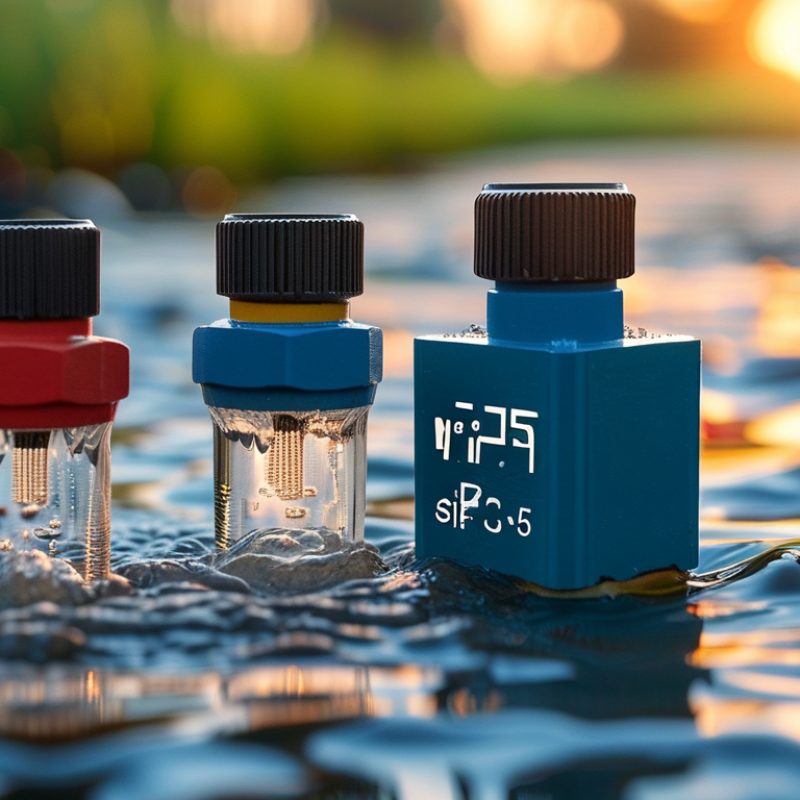
Water pH sensors are critical tools for monitoring water quality. They help in ensuring safe drinking water and maintaining healthy aquatic environments. These sensors measure the acidity or alkalinity of water. A slight pH change can indicate significant environmental shifts. This is vital for industries such as agriculture, aquaculture, and wastewater management.
Tips: Regular calibration of pH sensors is essential. It ensures accurate readings. Also, consider the sensor’s response time when monitoring dynamic water conditions. For large bodies of water, deploying multiple sensors can provide better data.
The accuracy of pH measurements impacts various applications. For instance, in aquaculture, improper pH levels can harm fish health. In agriculture, the wrong pH levels can affect nutrient uptake in plants. This highlights the need for reliable equipment. However, many users overlook maintenance. A dirty or worn sensor can lead to false readings. Always inspect and clean these devices regularly for optimal performance.
Types of Water pH Sensors: Comparison of Technologies and Their Applications
Water pH sensors play a vital role in various industries. Different technologies serve unique applications. The choice of sensor can significantly impact accuracy and reliability.
Glass pH sensors are among the most traditional and widely used. They operate through a glass membrane that responds to hydrogen ion concentration. According to industry reports, these sensors provide high accuracy, typically within ±0.01 pH units. However, they require careful calibration and maintenance. Their fragility makes them less ideal for harsh environments.
On the other hand, solid-state pH sensors have gained popularity. These devices use non-glass materials, enhancing durability. Recent studies show they can withstand extreme conditions, making them suitable for wastewater management and aquaculture. Still, they may not perform as well in low ionic strength solutions. Each technology has its strengths and weaknesses. Users must evaluate their specific needs before choosing a sensor.
Consideration of factors like cost, maintenance, and environmental conditions is crucial. The selection process can be complicated. Understanding the intricacies of different pH sensor technologies helps ensure accurate measurement solutions. Choosing the right sensor impacts overall efficiency and safety in applications.
Factors Influencing the Accuracy of Water pH Measurements
Water pH measurement is crucial for various applications, from environmental monitoring to aquaculture. Several factors can impact the accuracy of these measurements. For example, temperature fluctuations can lead to variations in pH readings. As temperatures rise or fall, it affects the ionization of water, thus influencing the pH. When using sensors in fluctuating temperatures, this is often overlooked, leading to misleading results.
Another significant factor is the calibration of pH sensors. Regular calibration is essential for accurate readings. Many users neglect this step, which can result in drift over time. Proper calibration ensures that the sensor provides reliable data. Additionally, the quality of the sensor's membrane plays a crucial role. Membrane fouling or damage can alter the sensor's response time and accuracy. Regular inspections can help identify such issues, yet they are frequently disregarded.
The sample's characteristics can also introduce variability. High turbidity levels or the presence of interfering ions can distort measurements. Users may underestimate these factors' influence on results. Lack of awareness about the sample's composition can lead to further errors. A good practice is to assess sample conditions before taking measurements, allowing for better accuracy in pH readings.
Top Brands and Models of Water pH Sensors for Reliable Results
When it comes to measuring water pH, choosing the right sensor is crucial for accurate results. Various brands offer different models that cater to specific needs. It’s important to assess the features of each sensor. Some sensors are designed for lab use, while others are more suitable for fieldwork. Users often have varying expectations regarding durability and maintenance.
Reliable pH sensors typically feature durable probes and easy calibration options. Functionalities like real-time data logging can enhance user experience. However, not all models perform equally under diverse environmental conditions. Some may struggle with temperature variations and require more frequent calibration. Users should seek sensors that have demonstrated longevity in multiple applications.
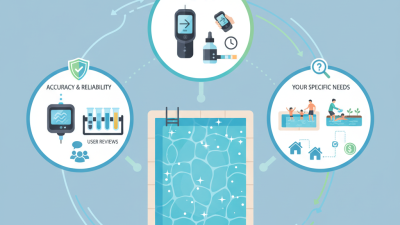
Engaging with user reviews and expert recommendations can provide helpful insights. Many users report that certain models excel in clarity and reliability, while others fall short. It’s vital to reflect on these experiences when making a choice. The best pH sensor can often be identified through trial and feedback, ensuring that users find solutions that meet their needs.
Top Water pH Sensors for Accurate Measurement Solutions
Maintenance and Calibration Techniques for Optimal Sensor Performance
Maintaining water pH sensors is crucial for precise measurements. Regular calibration ensures accuracy over time. Use a reliable buffer solution for calibration. This should be done at least once a month. Regular checks help prevent drift. Drift can lead to incorrect readings, which is not ideal.
Cleaning sensors is just as important. Use a soft brush or cloth to remove deposits. Rinse it with distilled water afterward. Avoid harsh chemicals as they can damage the sensor. Frequent maintenance enhances sensor lifespan. It can reduce unexpected errors in readings.
Tips:
- Keep a log of calibration dates and results.
- Store sensors in a suitable solution when not in use.
- Inspect sensors visually for any signs of wear.
Optimal sensor performance relies on consistent care and attention. Regularly reviewing your procedures is essential. Reflect on what can be improved. This helps maintain the integrity of your measurements.





 Contact WhatsApp
 Contact Phone
 Contact Email