China Top Water Quality Monitoring Station Manufacturer?
Choosing China’s top Water Quality Monitoring Station manufacturer requires more than comparing product catalogs. It requires evidence, field experience, and transparent engineering practices. A reliable supplier should provide stations that measure parameters such as pH, dissolved oxygen, turbidity, conductivity, temperature, and ammonia nitrogen. These measurements should remain stable beside rivers, reservoirs, industrial parks, and drinking-water sources.
Accuracy matters most.
Peter Gleick, water scientist and co-founder of the Pacific Institute, has said, “Water is a human right.” His statement highlights why monitoring equipment must support public safety, not merely produce attractive technical data. A capable manufacturer should explain sensor calibration, maintenance intervals, communication protocols, data storage, and emergency alerts in practical terms. It should also show installation records, laboratory comparisons, and clear after-sales procedures.
China has many manufacturers with strong production capacity. However, production scale alone does not prove monitoring reliability. Some product pages provide impressive specifications but limited evidence from long-term outdoor operation. That gap deserves attention. Buyers should ask whether sensors perform during heavy rain, sediment movement, algae growth, and winter temperature changes. They should also examine replacement costs and local technical support.
This guide introduces key manufacturers through a balanced industry perspective. It considers technical capability, customization, certification, project experience, and service responsiveness. The ranking may not fit every application. A municipal water bureau, a research institute, and a factory may need different station designs. The best choice is therefore not always the largest supplier. It is the manufacturer that connects dependable hardware with usable data and accountable support.
What Is a Water Quality Monitoring Station?
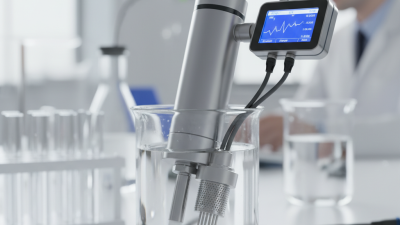
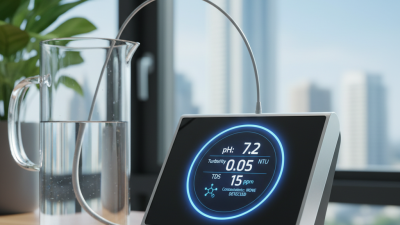
A water quality monitoring station is an integrated system that measures water conditions continuously. It usually combines sensors, a protective housing, a data logger, communication equipment, and a stable power supply. Common measurements include temperature, pH, dissolved oxygen, turbidity, conductivity, and chlorophyll. These indicators help operators identify pollution events, changing ecosystems, and treatment risks. That sounds simple.
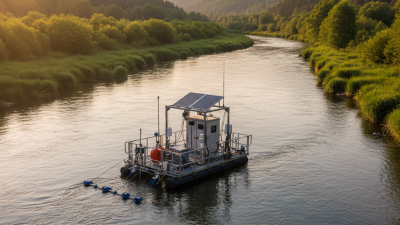
In practice, station design depends on the water environment. A river station may need strong brackets, anti-fouling protection, and a self-cleaning intake. A reservoir station often requires floating equipment and secure anchoring. Coastal water demands corrosion-resistant materials. Sensors need regular cleaning, calibration, and comparison with laboratory samples. Without maintenance, reliable-looking data can become misleading. Weather matters too. Heavy rain, ice, mud, and algae may affect readings or damage exposed components.
From a manufacturing perspective, reliability begins with practical details. Enclosures should resist moisture, dust, and temperature changes. Data should remain stored during network interruptions. Clear alarms can help technicians respond before a small fault becomes a serious gap. No station is perfect. A sensor can drift, and a power system can fail unexpectedly. I would rather specify realistic maintenance intervals than promise effortless operation. Good monitoring combines accurate instruments, thoughtful installation, traceable calibration, and trained people who question unusual results.
Why China Leads Water Quality Monitoring Station Manufacturing
China Top Water Quality Monitoring Station Manufacturer?
China leads water quality monitoring station manufacturing through a dense network of component suppliers, engineering teams, and production facilities. Sensors, data loggers, enclosures, and communication modules can often be sourced within the same industrial region. This shortens development cycles and makes custom configurations more practical. It also supports stations designed for rivers, reservoirs, treatment plants, and remote field sites.
Manufacturing scale matters, but it is not enough. Reliable stations need stable readings, sealed housings, clear maintenance access, and dependable data transmission. Experienced teams test equipment against changing temperatures, humidity, and water conditions. Field feedback can reveal problems that factory checks miss, such as condensation around a cable gland or a sensor that is difficult to clean. That detail matters. The picture is not perfect: lower production costs do not guarantee better accuracy, and quality can vary between suppliers. Buyers should review calibration procedures, test records, and after-sales support rather than relying on origin alone.
Tips: Ask how often sensors need calibration, what routine cleaning involves, and how the station stores data during network outages. Request test documentation for the exact configuration you plan to use.
China Top Water Quality Monitoring Station Manufacturer? - Why China Leads Water Quality Monitoring Station Manufacturing
| Dimension |
What the Manufacturing Ecosystem Offers |
Practical Relevance to Buyers |
| Electronics supply chain |
China has extensive electronics manufacturing capacity, including components used in controllers, communications modules, power supplies, and data-acquisition systems. |
Access to a broad supplier base can support product integration and sourcing. Component availability and lead times still depend on the specific design and procurement conditions. |
| System integration |
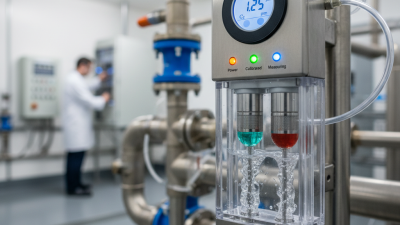
Monitoring stations commonly combine water-quality sensors, a data logger or controller, communications equipment, power management, and an enclosure or sampling arrangement. |
Buyers can evaluate a complete system rather than sourcing every subsystem separately. Compatibility, calibration, and installation requirements should be confirmed for each configuration. |
| Parameter coverage |
Station configurations may measure parameters such as temperature, pH, dissolved oxygen, conductivity, turbidity, and selected nutrient or organic-pollution indicators. |
Selecting sensors by monitoring objective helps avoid unnecessary equipment. Detection range, method, maintenance interval, and local regulatory requirements need to be checked. |
| Communications and data |
Depending on the site and system design, stations can use wired connections or wireless links such as cellular networks to transmit readings to a monitoring platform. |
Remote access can reduce routine site visits, but coverage, power consumption, data security, and compatibility with the buyer’s software should be verified. |
| Configuration flexibility |
Station layouts can be adapted to different monitoring locations, sensor combinations, power sources, enclosures, and communication arrangements. |
A site-specific design can address local conditions, but customization may affect validation, delivery schedules, spare-parts planning, and service procedures. |
| Quality and verification |
Measurement performance depends on sensor specifications, calibration, installation, maintenance, and documented testing—not simply the country of manufacture. |
Request calibration records, test methods, accuracy and operating-range specifications, warranty terms, and evidence of relevant certifications for the supplied configuration. |
| Standards and intended use |
Applicable requirements vary by country, application, and monitoring program. A system intended for trend monitoring may not automatically meet requirements for regulatory or compliance reporting. |
Confirm that measurement methods, documentation, data handling, and any required approvals match the destination market and project specification. |
| Lifecycle support |
Long-term operation requires consumables and replacement parts, sensor cleaning and calibration, troubleshooting, and access to technical documentation. |
Evaluate service arrangements, spare-parts availability, training, and total cost of ownership alongside the initial equipment price. |
Note: These are general industry considerations, not a ranking of manufacturers. Product capabilities, compliance, and service quality vary by supplier and configuration.
How to Evaluate a Top Chinese Manufacturer
A top Chinese water quality monitoring station manufacturer should be judged by evidence, not polished brochures. The UN Environment Programme’s 2024 update on Sustainable Development Goal indicator 6.3.2 reported that only 56 percent of assessed water bodies had good ambient water quality, based on data from 120 countries. The figure highlights a practical need: instruments must produce dependable readings across changing field conditions. Ask how the manufacturer validates sensors for parameters such as pH, dissolved oxygen, turbidity, and conductivity. Request calibration records, detection ranges, maintenance intervals, and sample test reports.
Real details matter.
Inspect the station’s design, too. Can its enclosure withstand rain, dust, and temperature swings? Are tubing, filters, and sensor probes easy to replace without special tools? A demonstration using a water sample can reveal response time and data stability. Check whether readings include timestamps, units, and clear quality flags, and whether data can be exported for independent review. Ask about installation training, spare-part availability, and response times for technical support.
These questions may feel tedious. They are useful.
Compare test results against recognized methods and independent laboratory measurements, not just the supplier’s claims. A manufacturer should explain limitations plainly, including calibration drift and conditions that affect accuracy. One weakness deserves attention: published specifications can look precise while field performance varies. Request references from comparable monitoring projects and verify the operating conditions. Then assess total ownership costs, including sensors, calibration, consumables, and service—not only the initial purchase price.
Major Applications and Industry Standards
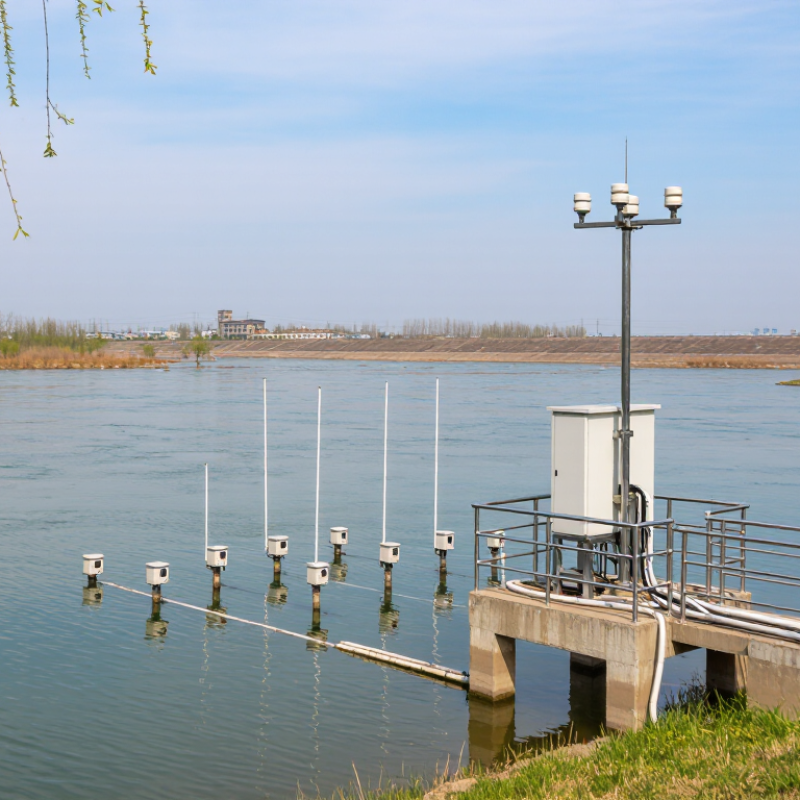
Water quality monitoring stations serve river basins, reservoirs, wastewater facilities, aquaculture sites, and industrial processes. Typical sensors measure pH, dissolved oxygen, turbidity, temperature, and conductivity. Some installations also monitor nutrients or other site-specific indicators. A river station may sit inside a protective housing, with a submerged probe and telemetry equipment nearby. The right configuration depends on the water body and decisions operators need to make.
Industry standards help make measurements consistent and defensible. ISO 5667 provides guidance for water sampling, while ISO/IEC 17025 addresses laboratory competence for testing and calibration. These standards do not replace local monitoring requirements. Buyers should check applicable national methods, sensor specifications, calibration records, and data retention needs. Site selection matters, too. A station can look precise while sampling an unrepresentative location; this is easy to underestimate. Routine cleaning and documented calibration help catch drift and sensor fouling.
Tips: Match each sensor’s measurement range to expected conditions, not just normal readings. Check whether probes can be removed safely for maintenance. Keep reference checks and service logs. Small gaps in records can complicate later analysis.
Water Quality Monitoring Stations: Applications & Key Standards
Selected Class III limits for surface water under China’s GB 3838-2002 standard
Applications: Continuous monitoring stations can support river and lake surveillance, pollution-source tracking, and environmental compliance. The chart shows selected regulatory limits—not measured water-quality results. Total phosphorus limits differ for rivers and lakes/reservoirs.





 Contact WhatsApp
 Contact Phone
 Contact Email