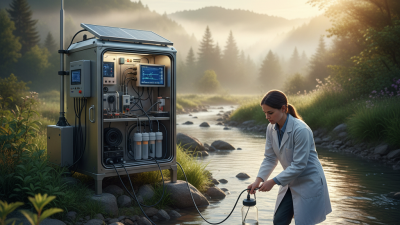
How to Choose the Best Water Quality Monitoring Station?
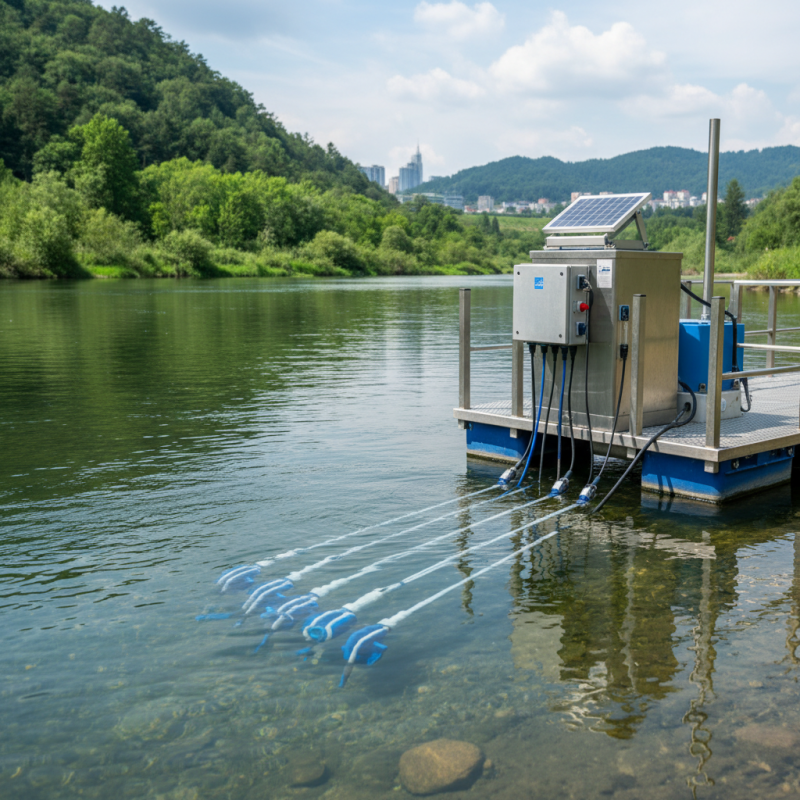
Choosing the right Water Quality Monitoring Station is crucial for ensuring reliable data. Water quality impacts public health and the environment. With many options available, deciding on the best one can be overwhelming.
Quality stations must meet specific standards. Look for features that suit your needs, such as sensor types and data accuracy. Some stations may excel in certain areas, but they might lack in others. Evaluate each option critically.
Think about long-term costs, maintenance, and ease of use. Not all stations are designed to last. Sometimes, cheaper options lead to higher expenses later. Consider what is most important for your project. Making a well-informed choice can enhance the credibility of your monitoring efforts.
Understanding the Importance of Water Quality Monitoring Stations
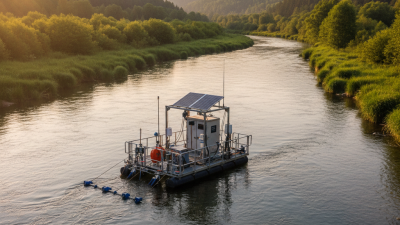
Water quality monitoring stations play a vital role in ensuring the safety and health of our water bodies. These stations help track pollutants and changes in water conditions. Understanding their importance is essential for individuals, communities, and policymakers. Clean water is crucial for drinking, recreation, and aquatic life.
Tips for selecting the right station include evaluating its technology. Advanced sensors can offer real-time data. Consider the location of the station as well, since proximity to pollution sources matters. A poorly placed station may yield misleading information.
Monitoring water quality is not just about numbers. It's about understanding trends and making informed decisions. Look for stations that provide educational resources, not just data. Engaging with the local community can also highlight overlooked issues. Water quality can fluctuate, reminding us to stay vigilant. Prioritize stations that encourage public interaction and awareness.
How to Choose the Best Water Quality Monitoring Station?
| Parameter |
Ideal Range |
Measurement Unit |
Importance |
| pH Level |
6.5 - 8.5 |
pH |
Indicates acidity or alkalinity of water. |
| Turbidity |
0 - 5 NTU |
NTU (Nephelometric Turbidity Units) |
Measures the clarity of water; higher values indicate more particles. |
| Dissolved Oxygen |
5 - 14 mg/L |
mg/L |
Essential for aquatic life; low levels can indicate pollution. |
| Nitrate |
0 - 10 mg/L |
mg/L |
Indicator of nutrient pollution; high levels can cause eutrophication. |
| Conductivity |
0 - 1500 µS/cm |
µS/cm |
Indicates the amount of dissolved salts; higher values can indicate pollution. |
Key Factors to Consider When Selecting a Water Quality Monitoring Station
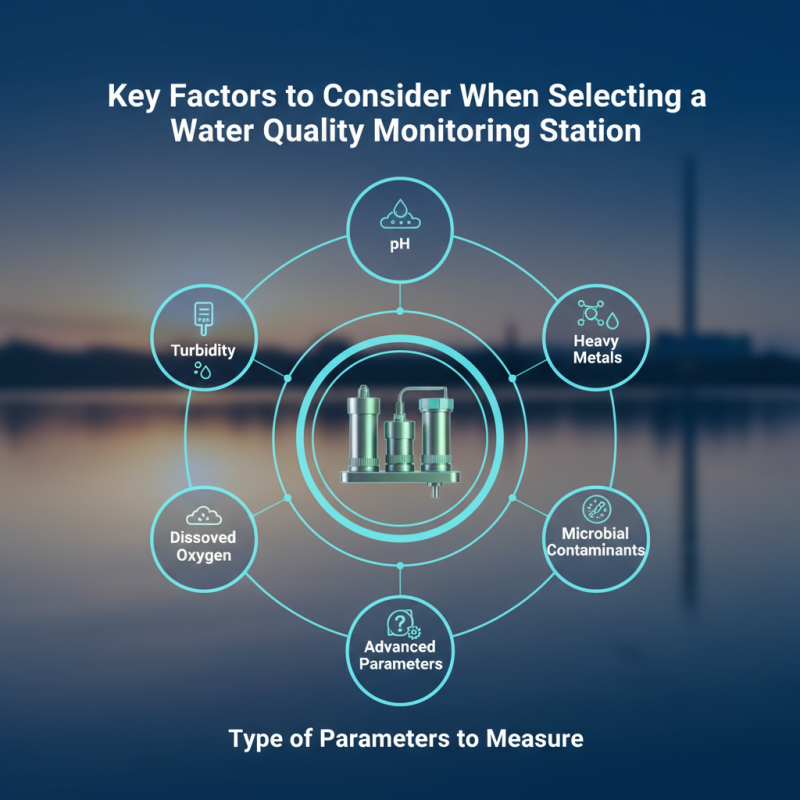
When choosing a water quality monitoring station, several key factors warrant consideration. One essential aspect is the type of parameters you want to measure. Many stations offer basic data such as pH, turbidity, and dissolved oxygen. However, advanced monitoring may include heavy metals or microbial contaminants. Assessing the station’s capability to measure these parameters ensures you capture the most relevant data for your needs.
Accuracy is critical in water quality monitoring. According to a report from the World Health Organization, even slight inaccuracies can lead to significant errors in estimating water safety levels. It’s wise to check the calibration procedures used by the station. Regular calibration enhances reliability and builds trust in the data collected. Look for stations that provide detailed info on their certification and maintenance routines.
Consider the station's location and accessibility. Urban stations might be influenced by pollution sources, while remote stations could provide clearer data. However, remote access can also lead to delays in data reporting. Additionally, evaluate the data presentation method. Real-time data feeds offer immediate insights, while periodic reports may delay response times. Balancing these factors is crucial for effective monitoring.
Types of Water Quality Parameters Monitored by These Stations
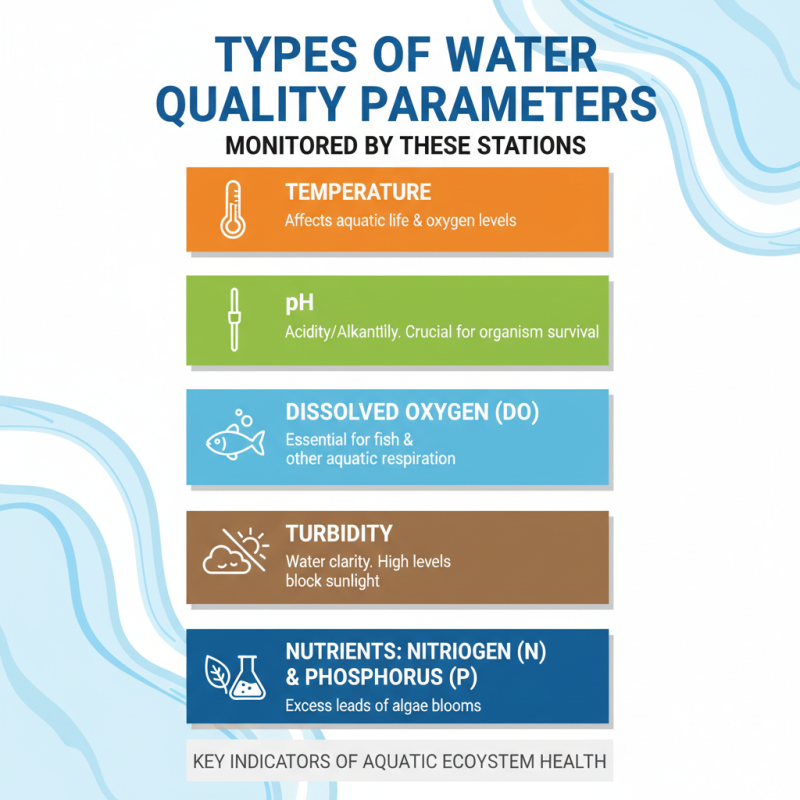
Water quality monitoring stations play a crucial role in assessing the health of aquatic ecosystems. They measure various parameters that directly indicate water quality. Important parameters include temperature, pH, dissolved oxygen, turbidity, and nutrient levels like nitrogen and phosphorus. Each of these factors helps determine the overall health of water bodies. For example, high turbidity can block sunlight, affecting aquatic plant growth.
Data from the United States Geological Survey (USGS) highlight that roughly 18% of streams in the U.S. are impaired due to nutrient pollution, often linked to excess nitrogen and phosphorus. Regular monitoring of these nutrients is essential. Monitoring stations can also track harmful algal blooms, which pose risks to both health and ecosystems. Algal blooms often flourish in nutrient-rich waters, leading to decreased oxygen levels.
Water temperature is another vital parameter. It influences the metabolism of aquatic organisms. A study found a direct correlation between temperature increases and fish mortality. However, not all monitoring stations have the capability to measure temperature accurately. Some may overlook seasonal variations essential for understanding climate impacts. Recognizing these gaps is crucial for improving water quality assessments.
Evaluating the Technology and Equipment Used in Monitoring Stations
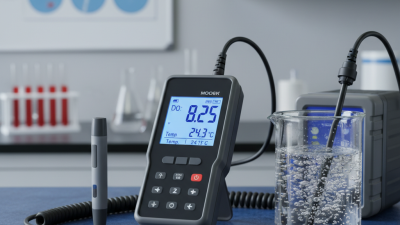
Selecting the right water quality monitoring station is crucial. The technology and equipment used significantly impact the accuracy of data collected. Stations often utilize sensors for parameters like pH, turbidity, and dissolved oxygen. According to a 2022 report by the Water Quality Association, more than 70% of monitoring failures are linked to inadequate sensor technology. This shows how critical it is to evaluate equipment rigorously.
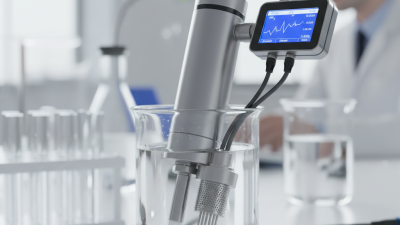
When assessing stations, consider the types of sensors deployed. Some may only measure basic indicators, while advanced systems monitor over 20 different parameters. Multiple data points help ensure comprehensive analysis. Keep in mind that older equipment can lead to data inaccuracies. Regular calibration and upgrades are essential for maintaining quality.
Tip: Look for stations that use multi-parameter sensors. They save time and provide integrated data.
Another important factor is the data transmission technology. Real-time data transmission allows for timely responses to water quality issues. However, stations without proper communication protocols may hinder effective monitoring. This can result in delayed reactions to pollution events or regulatory breaches. Consistent performance evaluations could prevent such lapses.
Tip: Choose stations that offer remote monitoring capabilities. It enhances responsiveness and oversight.
Assessing the Reliability and Accuracy of Data from Monitoring Stations
When choosing a water quality monitoring station, it’s essential to evaluate the reliability and accuracy of the data it provides. Data quality directly impacts decision-making in water management. Assessing the calibration methods is vital. Reliable stations use standardized procedures to ensure accurate readings. Transparency in data collection enhances trust.
Regular maintenance of monitoring equipment is necessary. Stations that do not undergo routine checks may yield inconsistent results. This inconsistency can mislead stakeholders. Consider also the type of sensors used. Different sensors have varying levels of accuracy for specific contaminants. It's crucial to verify whether the technology aligns with your monitoring needs.
There’s a fine line between technical jargon and user-friendly information. It’s easy to misconstrue technical specifications without proper guidance. Experts in the field emphasize the importance of user training. Even the most advanced equipment requires knowledgeable operators. Recognizing these nuances creates a well-rounded evaluation process.
Water Quality Monitoring Stations Data Analysis





 Contact WhatsApp
 Contact Phone
 Contact Email